Capturing the Essence of the Southeastern Colorectal Cancer Consortium Conference
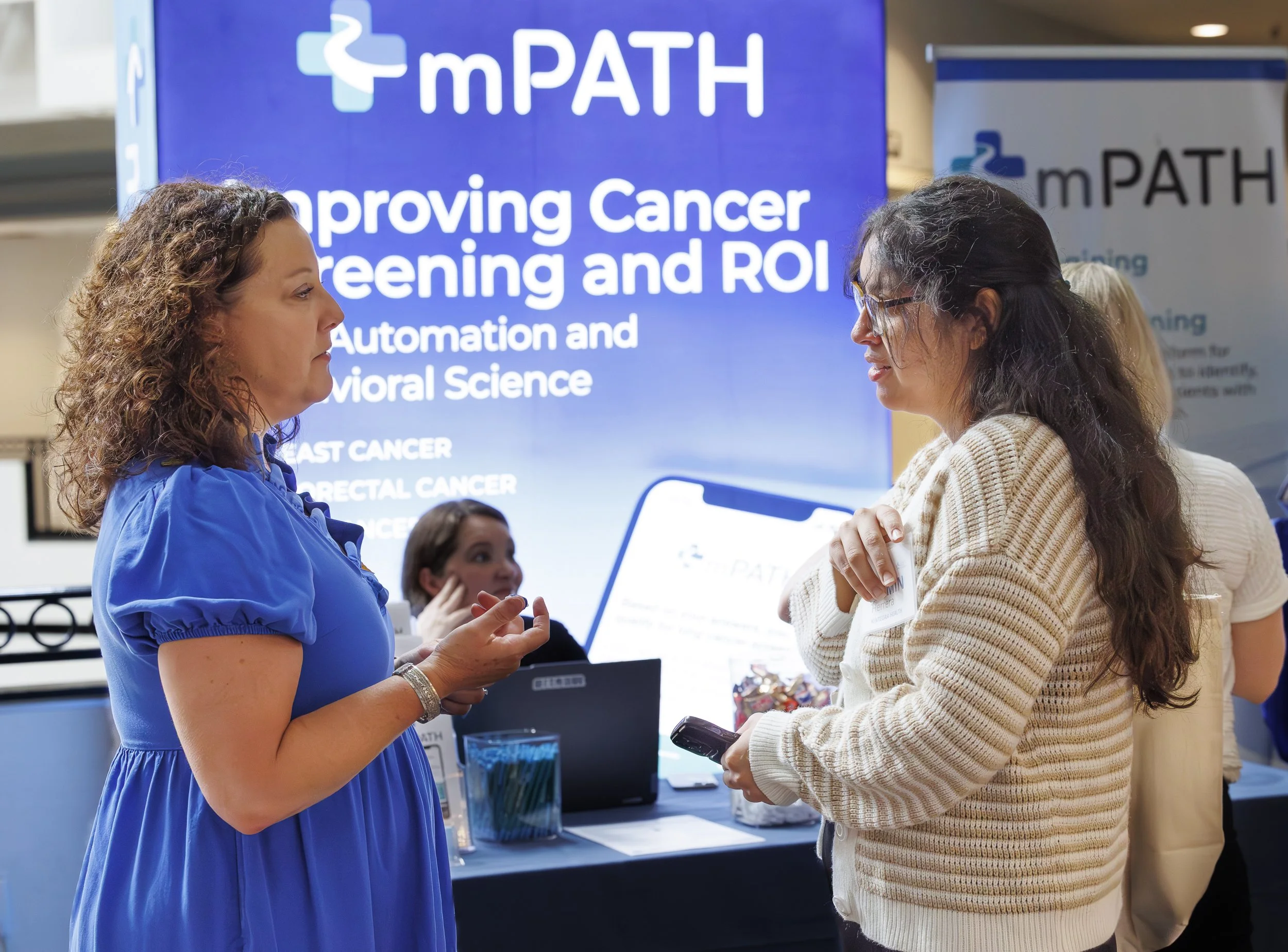
Professional conference photography transforms medical symposiums into lasting visual narratives that document collaboration, innovation, and the dedication of healthcare professionals advancing colorectal cancer research.
Why Professional Photography Matters at Medical Conferences
Medical conferences represent significant investments of time, resources, and expertise. When healthcare professionals gather at venues like the Hyatt Regency Savannah to advance colorectal cancer research, the knowledge shared and connections made deserve to be preserved with the same level of professionalism that defines the event itself. Professional conference photography serves multiple critical functions beyond simple documentation—it creates a visual legacy that amplifies the impact of medical research and collaboration long after attendees return home.
High-quality conference photography directly supports grant applications, annual reports, and promotional materials for future events. Funding organizations want to see tangible evidence of engagement, diversity of participation, and the professional caliber of symposiums they support. When the Georgia Center for Oncology Research and Education brought together professionals from 14 southeastern states and Puerto Rico, capturing those diverse interactions provided powerful visual testimony to the conference's reach and influence. These images become essential assets that communicate organizational credibility and the seriousness of purpose behind medical research initiatives.
Beyond administrative needs, professional photography preserves the human element of scientific advancement. The expressions of breakthrough understanding, the intense focus during poster presentations, and the authentic connections formed during networking sessions tell a story that statistics alone cannot convey. For participants who dedicated three days to advancing colorectal cancer prevention and control, these images validate their contributions and provide tangible memories of their professional development. Conference photography transforms abstract concepts like 'collaboration' and 'knowledge exchange' into concrete visual narratives that resonate with stakeholders, participants, and the broader medical community.
Documenting Scientific Collaboration Through Visual Storytelling
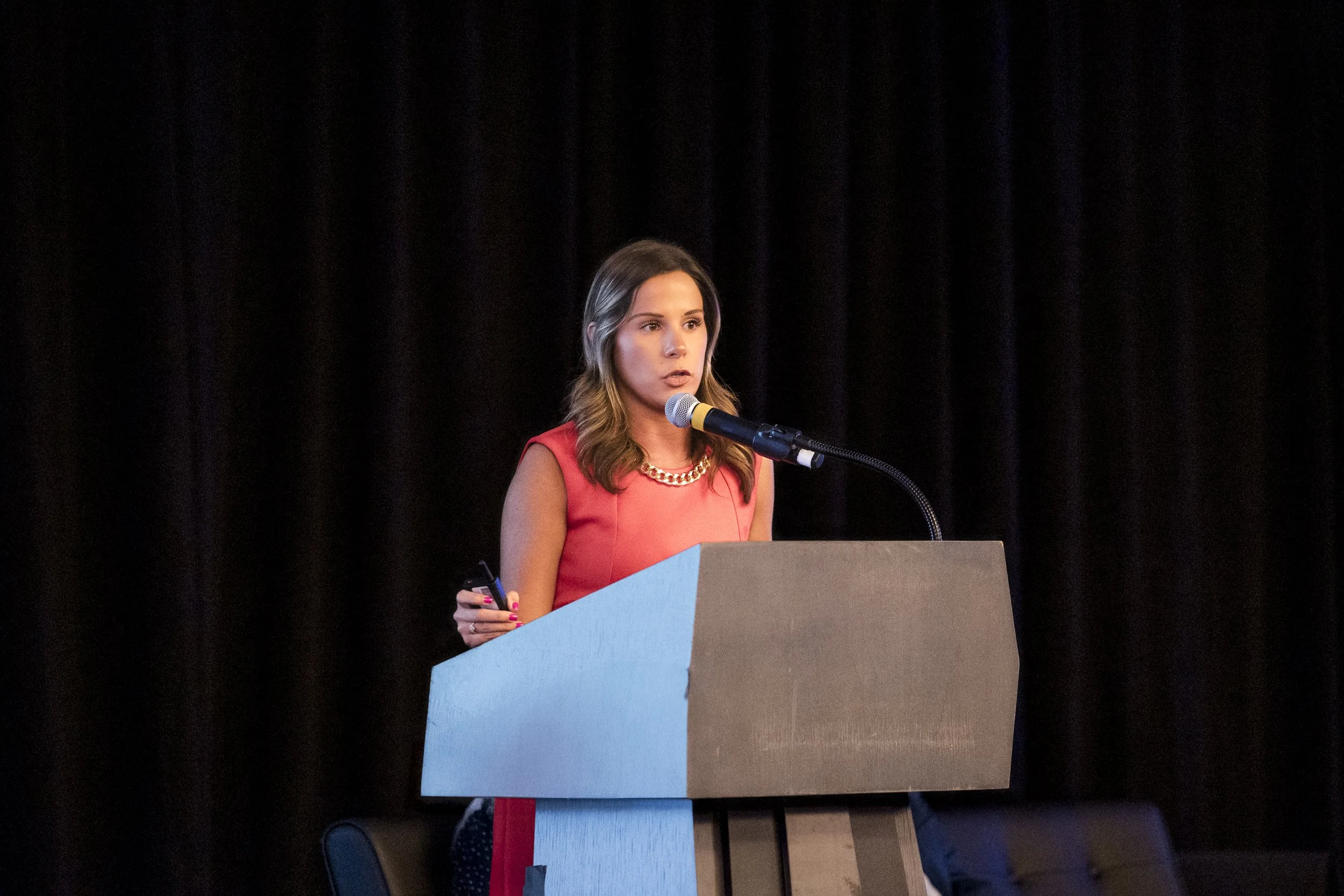
Scientific collaboration happens in layers—formal presentations, informal hallway conversations, poster session critiques, and the quiet moments when researchers review notes between sessions. Effective conference photography at medical symposiums requires understanding these different modes of interaction and recognizing which moments carry the most significance. At the Southeastern Colorectal Cancer Consortium Conference, documenting the American Cancer Society's National Colorectal Cancer Roundtable preview of their rural screening guidebook meant capturing both the presenters' expertise and the audience's engagement with material that could directly impact patient outcomes.
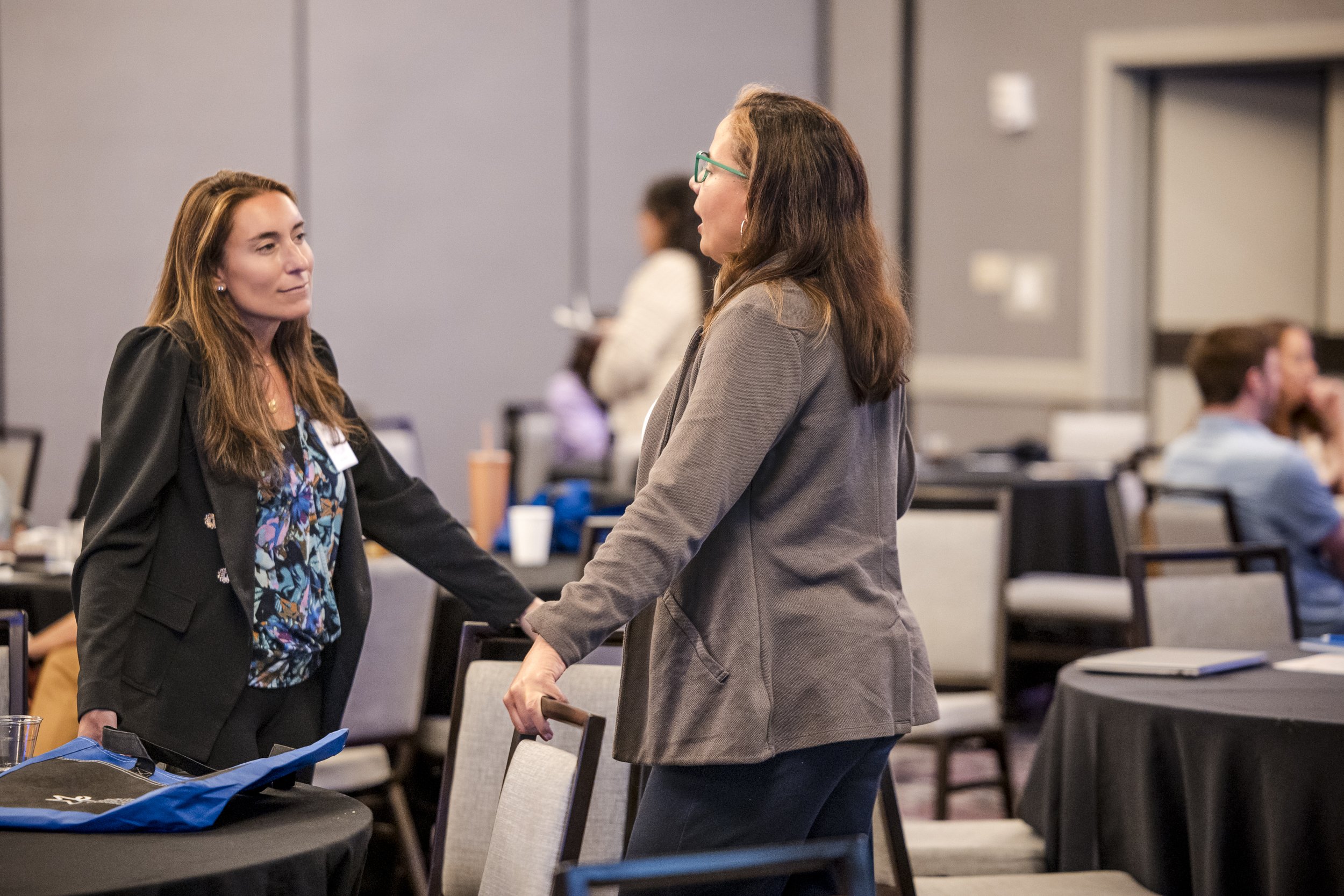
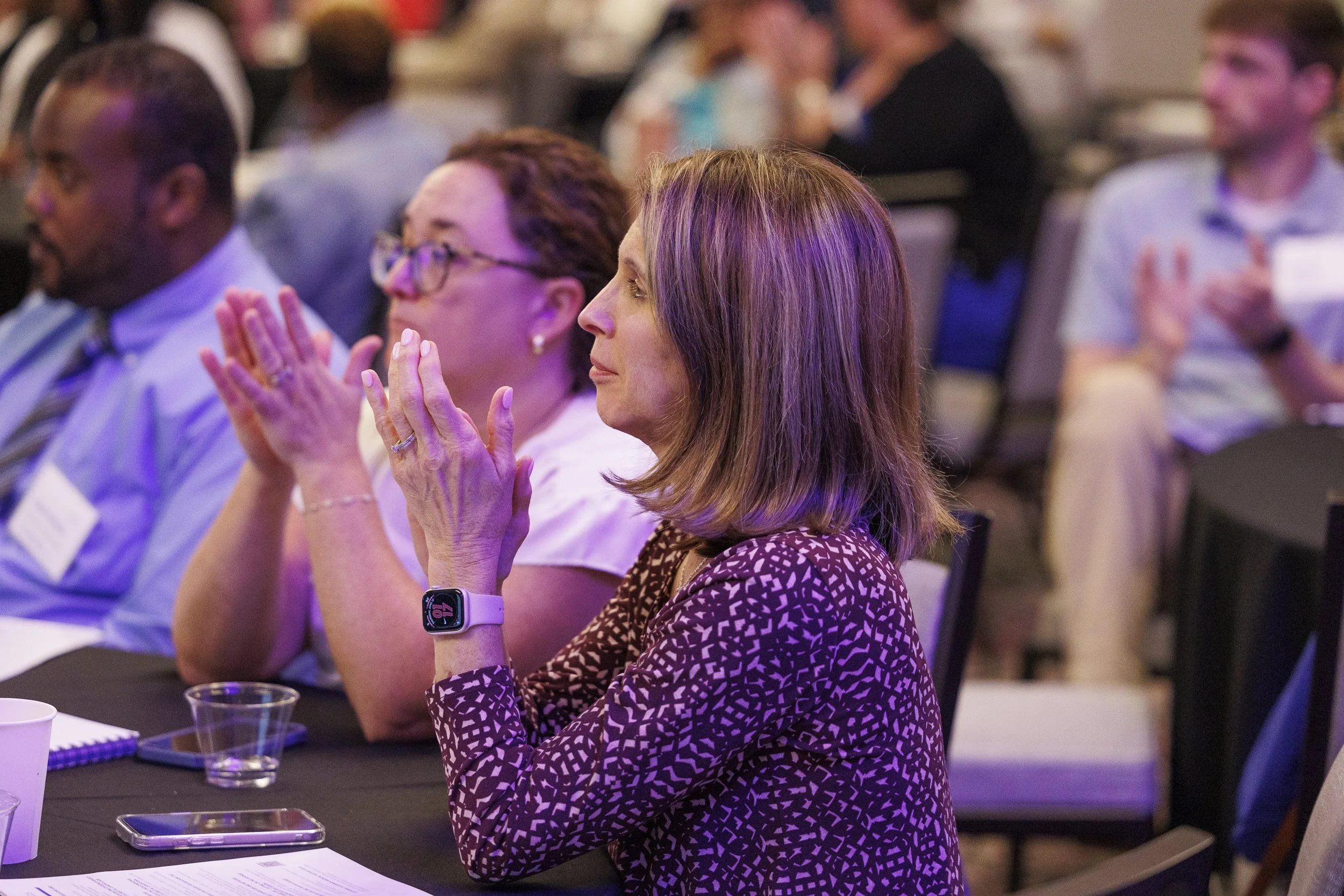
Visual storytelling in medical conference settings demands a documentary approach that balances candid authenticity with professional composition. The goal is not to stage interactions but to anticipate and capture genuine moments of knowledge exchange. When healthcare professionals examine poster presentations showcasing innovative approaches to health equity or early-onset colorectal cancer, their body language, facial expressions, and the nature of their discussions reveal the collaborative spirit that drives medical advancement. These unscripted moments provide the most authentic representation of a conference's value and impact.
The narrative arc of a medical conference unfolds across multiple environments—registration areas buzzing with anticipation, presentation rooms filled with focused attention, exhibition spaces where ideas are challenged and refined, and social venues where professional relationships deepen. Professional photography documents this progression, creating a comprehensive visual record that tells the complete story of the event. For organizations planning future conferences at venues like the Hyatt Regency Savannah, these visual narratives serve as powerful templates, demonstrating what successful medical symposiums look like in practice and helping future attendees understand the experience they can expect.
Key Moments Worth Capturing at Healthcare Symposiums
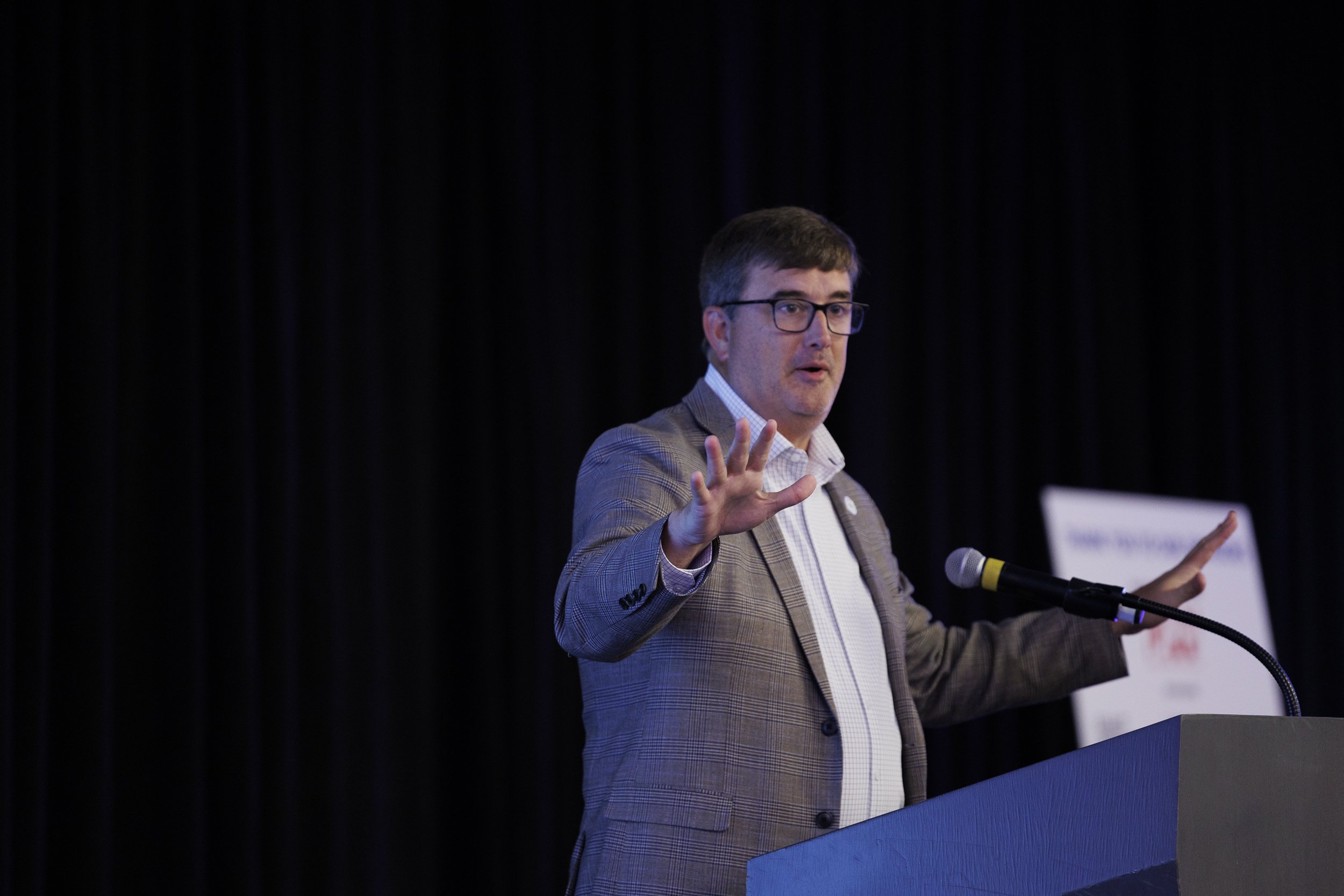
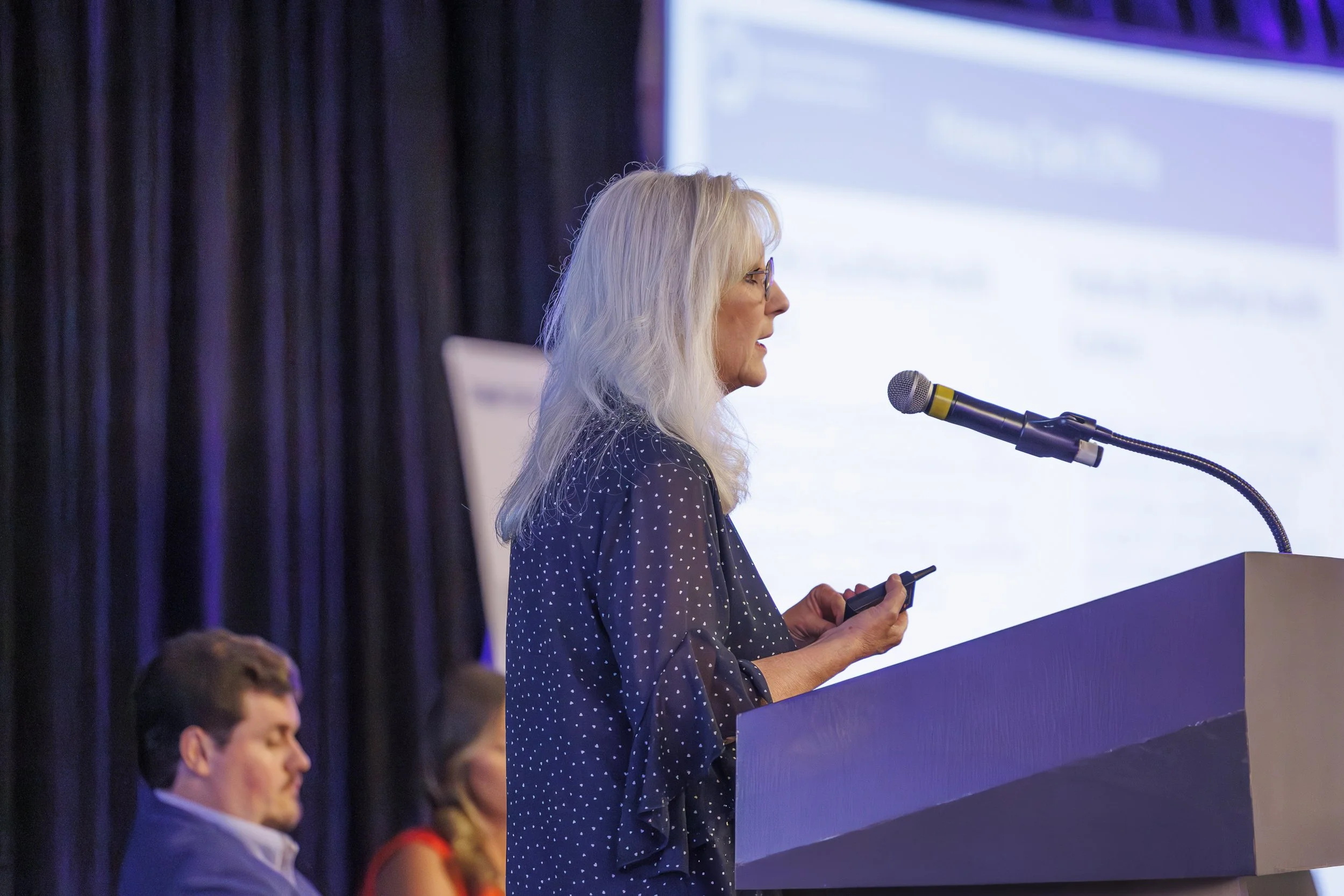
Not all conference moments hold equal weight in the visual narrative. Keynote presentations by recognized experts in colorectal cancer research demand careful documentation—capturing both the speaker's delivery and the audience's reception provides context that elevates a simple presentation photo into meaningful documentation of knowledge transfer. Wide shots establish the professional setting and attendance scale, while closer compositions capture the nuances of expression that reveal a speaker's passion for their subject matter. These images become valuable assets for speaker portfolios, organizational archives, and promotional materials for subsequent conferences.
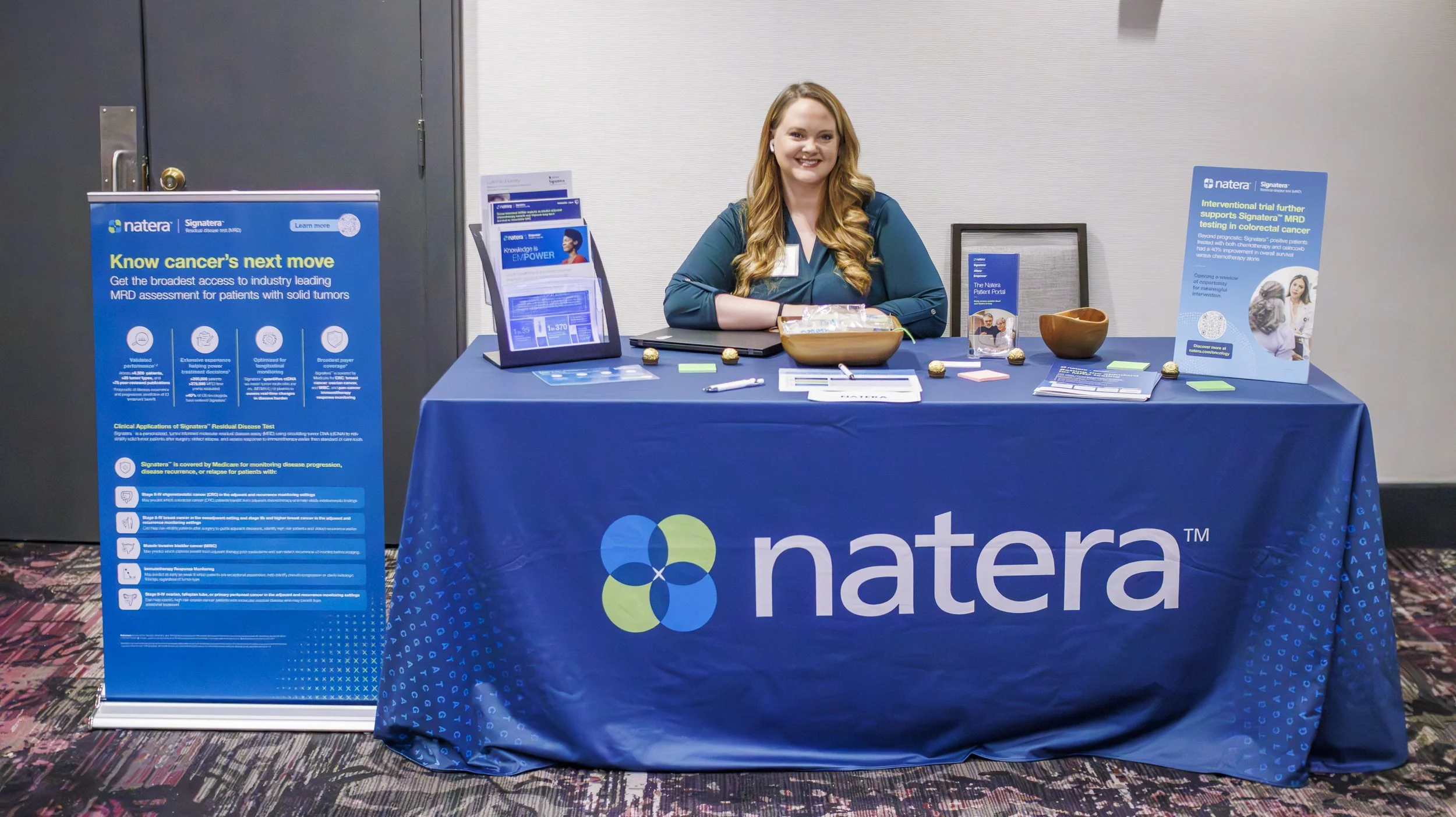
Poster sessions represent some of the most visually rich opportunities at medical conferences. Researchers presenting their work often display innovative data visualizations, compelling graphics, and detailed methodologies that photograph exceptionally well. Beyond the posters themselves, the interactions between presenters and attendees—pointing at specific data points, engaged discussions, and the thoughtful review of research findings—capture the peer-review process in action. At the Southeastern Colorectal Cancer Consortium Conference, poster presentations on health equity, early-onset colorectal cancer, and community-based screening efforts provided numerous opportunities to document both the research itself and the collaborative evaluation process that advances medical science.
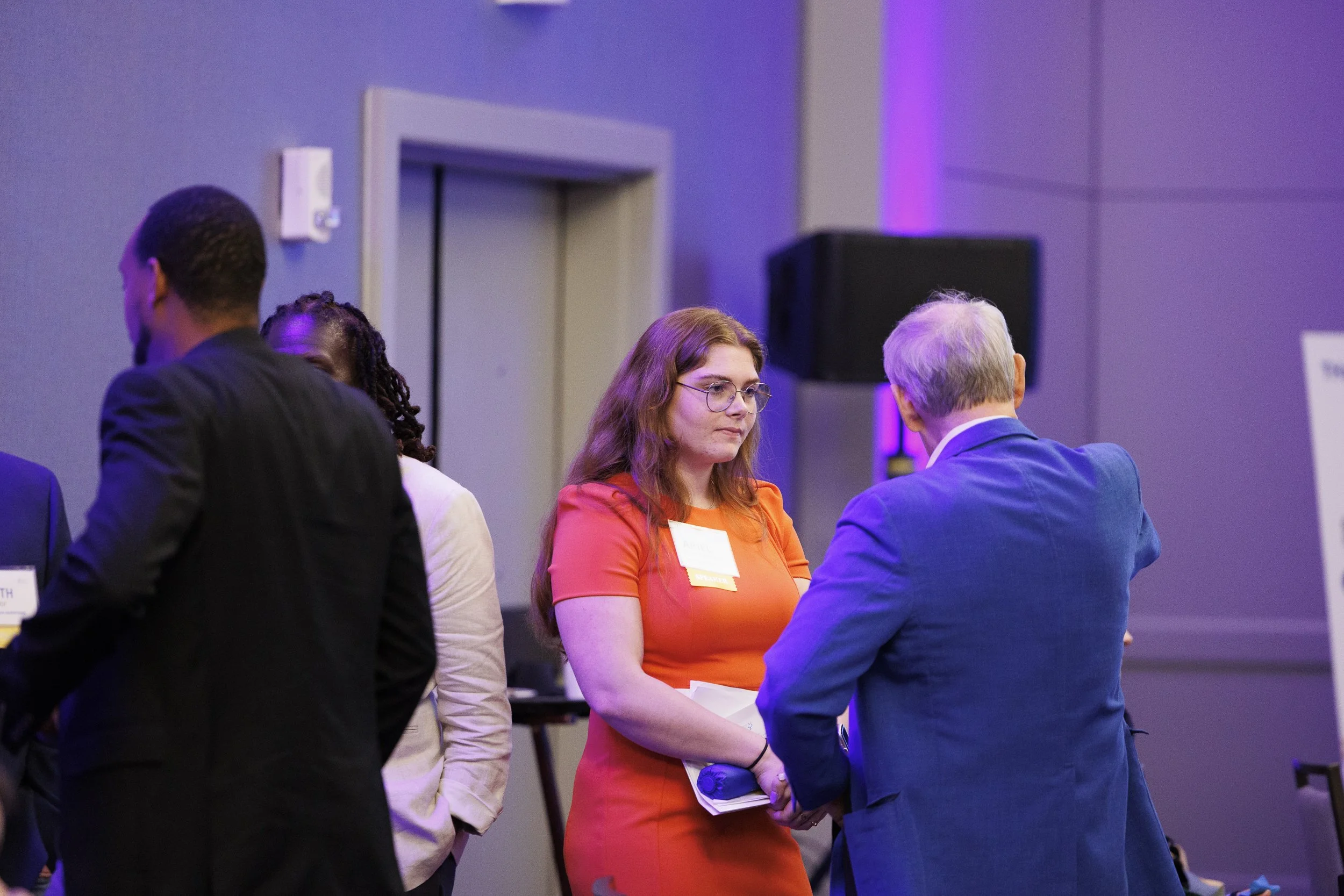
Networking moments, though seemingly informal, often represent the most valuable outcomes of conference attendance. Professional photographers recognize that the connections formed during coffee breaks, lunch sessions, and evening receptions frequently lead to future collaborations, research partnerships, and professional mentorships. Capturing these interactions respectfully—maintaining awareness of privacy while documenting the social fabric of the medical community—requires both technical skill and interpersonal sensitivity. Award ceremonies, recognition moments, and panel discussions round out the essential visual documentation, ensuring that all contributors receive appropriate acknowledgment for their participation and expertise.
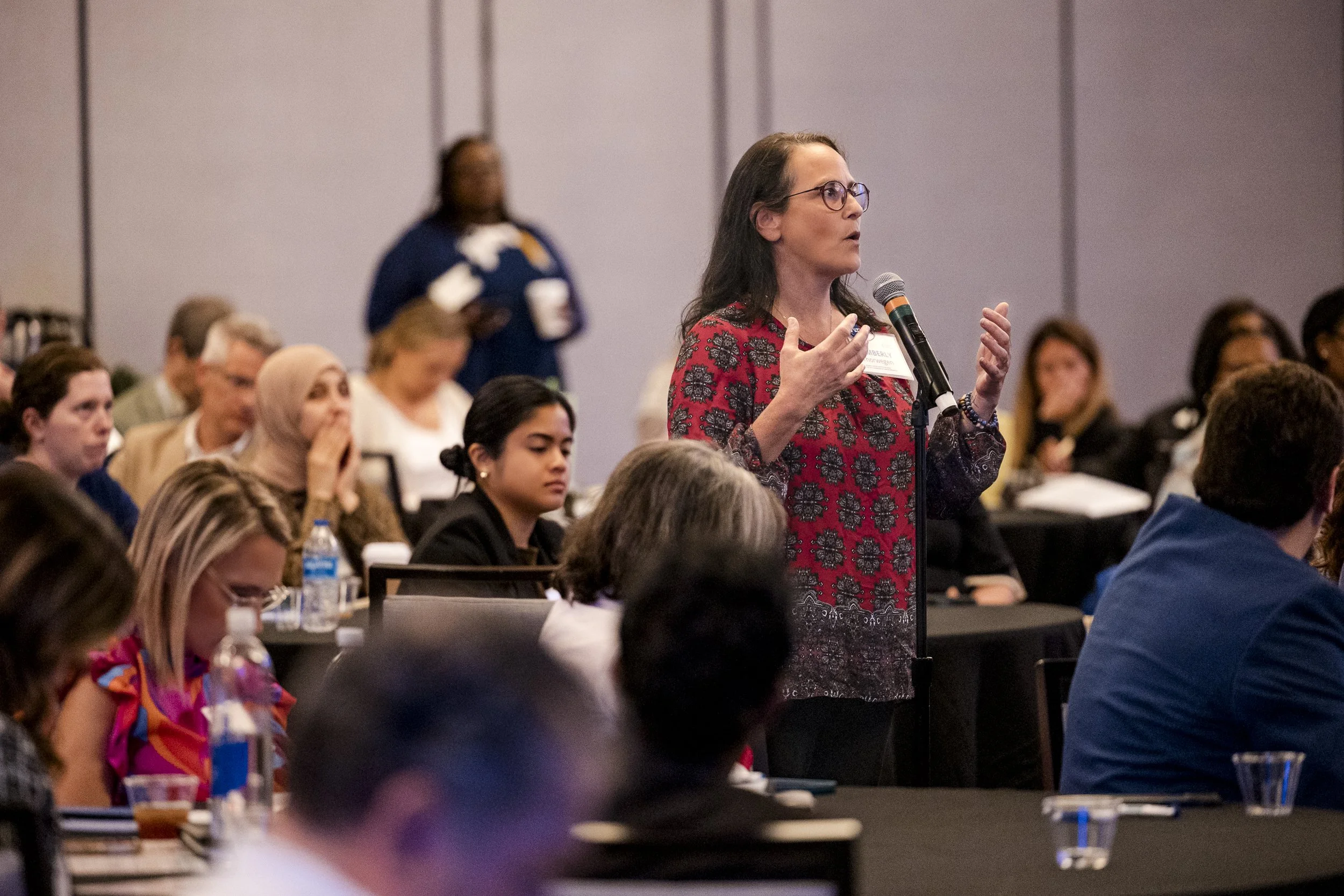
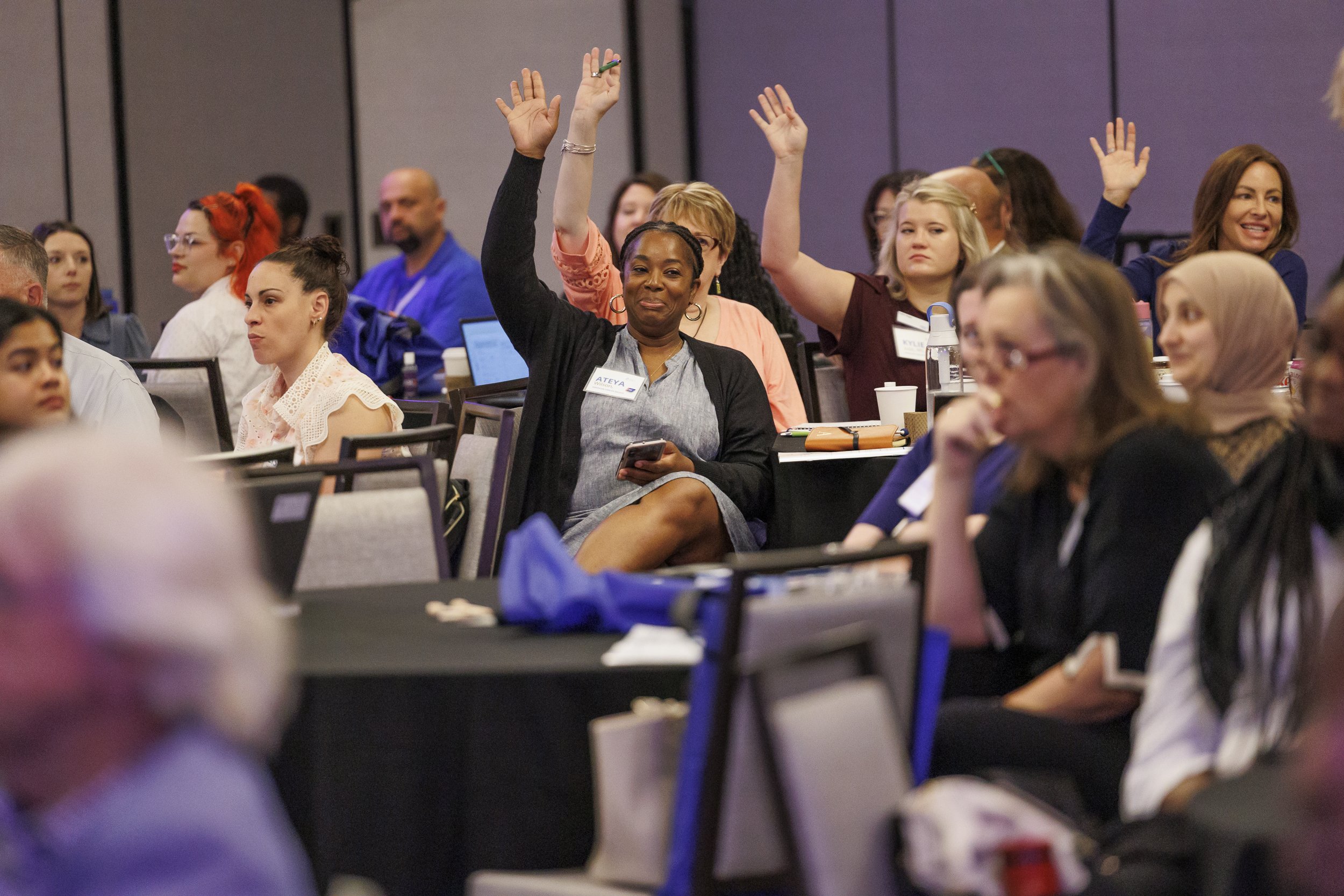
Interactive sessions and workshops demand a different photographic approach than passive presentations. When attendees actively participate—working through case studies, engaging in role-playing scenarios, or collaborating on problem-solving exercises—the energy in the room shifts noticeably. Documenting these dynamic moments requires anticipation and quick adaptation to changing compositions. The American Cancer Society's interactive session at the conference exemplified this type of high-value content, where the preview of practical resources for rural healthcare settings combined expert presentation with active audience engagement, creating multiple layers of visual interest that tell a more complete story than static presentation photography alone.
Technical Considerations for Conference Photography in Professional Settings
Conference venues like the Hyatt Regency Savannah present distinct technical challenges that demand professional expertise and appropriate equipment. Ballrooms and conference rooms typically feature mixed lighting—natural light from windows, overhead fluorescents or LEDs, and presentation screens that create variable color temperatures and exposure challenges. Professional conference photographers work with equipment that handles these conditions effectively, using fast lenses that perform well in lower light without relying on disruptive flash photography that interrupts presentations and distracts attendees.
Audio-visual considerations significantly impact conference photography. Presentation slides, video content, and digital displays often contain important information that contextualizes the event, but these elements can create exposure challenges when photographing speakers. Balancing the brightness of projection screens with proper exposure of human subjects requires technical understanding and often involves exposure bracketing or careful post-processing. Additionally, professional photographers remain aware of proprietary information, unpublished research data, and confidential material that may appear on screens or posters, exercising discretion about what to photograph and how images will be used.
Movement and positioning within conference spaces requires both technical proficiency and professional etiquette. Capturing meaningful images without becoming a distraction demands awareness of sightlines, quiet operation, and strategic positioning that maximizes photographic opportunities while minimizing disruption. During poster sessions, this might mean photographing from angles that include both the poster content and engaged viewers without blocking access for other attendees. During presentations, it involves using longer focal lengths from discrete positions rather than moving constantly in front of audiences. This balance between comprehensive documentation and respectful presence separates professional conference photographers from casual documentation.
Post-production workflows for conference photography prioritize efficiency and consistency. With hundreds or thousands of images captured across multiple days, professional photographers implement systematic approaches to editing, color correction, and image selection. Conference organizers typically need images delivered relatively quickly for social media updates, press releases, and immediate promotional needs, which requires streamlined workflows that maintain quality while meeting tight deadlines. Understanding the specific delivery requirements—web-optimized images for online use, high-resolution files for print materials, or specific formatting for grant applications—ensures that conference photography serves all its intended purposes effectively.
Preserving the Legacy of Medical Research Through Imagery
Medical conferences represent pivotal moments in the advancement of healthcare knowledge, and professional photography ensures these moments remain accessible for future reference, education, and inspiration. The Southeastern Colorectal Cancer Consortium Conference's focus on prevention and control strategies across 14 southeastern states and Puerto Rico addresses health disparities that disproportionately affect specific populations. Visual documentation of these efforts creates historical records that demonstrate organizational commitment to health equity, providing accountability and inspiration for continued work in underserved communities.
Archival-quality conference photography serves educational purposes that extend well beyond the event itself. Medical students, residents, and early-career researchers who review conference archives gain insight into professional symposiums they may not yet have attended, understanding the format, interaction styles, and professional standards that characterize medical conferences. Images of poster presentations, panel discussions, and keynote addresses provide tangible examples of how research is shared and evaluated within the medical community. For the Georgia Center for Oncology Research and Education, maintaining comprehensive visual archives of their conferences creates an institutional memory that tracks the evolution of colorectal cancer research and prevention strategies over time.
Professional conference photography also supports recruitment and engagement for future events. Prospective attendees evaluating whether to invest time and resources in a conference benefit from seeing authentic images that accurately represent the experience, networking opportunities, and professional development potential. When planning committees demonstrate the caliber of previous events through high-quality visual documentation, they build credibility and attract higher-quality participants. For venues like the Hyatt Regency Savannah, professional conference photography showcases their facilities' suitability for medical symposiums, potentially influencing future event bookings and establishing the venue as a preferred location for healthcare conferences.
The lasting impact of professional conference photography extends to individual participants as well. Researchers presenting their work value professional images that document their contributions to medical advancement. These photographs support tenure applications, professional portfolios, and personal records of career milestones. For organizations like CapturedByLeo LLC, understanding the multiple stakeholders who benefit from conference photography—event organizers, presenters, attendees, funding organizations, and host venues—informs a comprehensive approach that serves all these audiences while maintaining the authentic, trustworthy documentation that defines professional conference photography.
For inquiries and bookings, please visit CapturedByLeo LLC or contact me directly at photography@capturedbyleo.com. Or, complete the form below.