Event Photography Pricing Guide for Associations and Nonprofits
Understanding What Drives Event Photography Costs
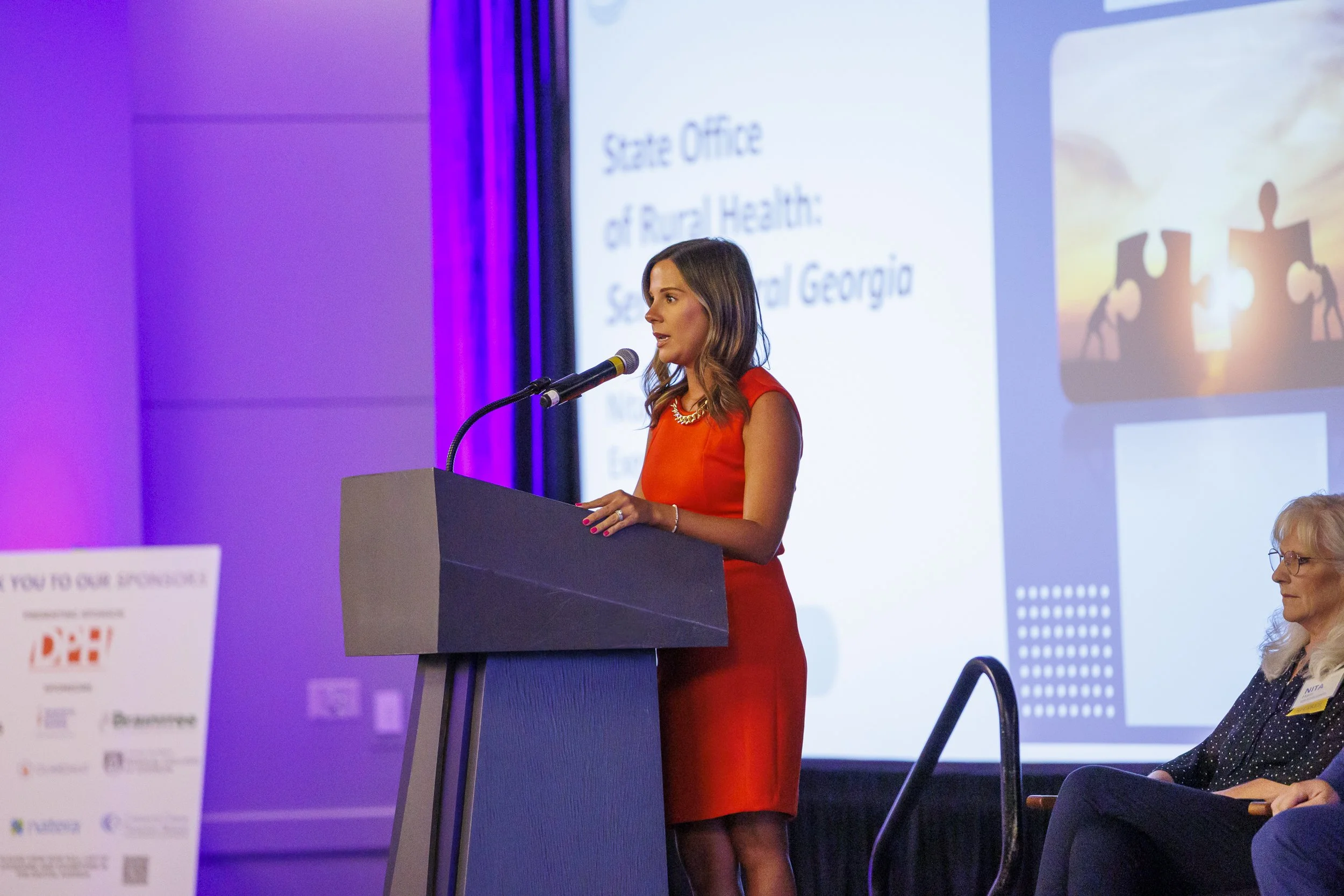
When planning your association's annual conference or nonprofit gala, understanding the factors that influence event photography pricing helps you make informed decisions and set realistic budget expectations. Professional event photography involves much more than simply showing up with a camera—it requires specialized equipment, years of technical expertise, and significant post-event work that many organizations don't initially consider.
The photographer's experience level significantly impacts pricing. A seasoned professional who has covered hundreds of corporate events brings invaluable skills like anticipating key moments, navigating challenging lighting conditions, and working seamlessly with your event schedule without disrupting the flow. This expertise ensures you won't miss critical shots of your keynote speaker, award recipients, or networking moments that showcase your organization's impact.
Event duration and coverage scope also play major roles in cost determination. A half-day conference session requires different resources than multi-day coverage across multiple venues. Consider whether you need one photographer or a team to capture simultaneous breakout sessions, behind-the-scenes preparation, and attendee interactions. Travel requirements, especially for nationwide events, add logistical expenses that affect the overall investment.
Post-production work represents a substantial portion of the value you receive. Professional editing, color correction, and image selection can take several hours per event hour photographed. High-quality deliverables—properly exposed, beautifully composed images that align with your brand standards—require this careful attention. Additionally, the turnaround time you need influences pricing, as rush delivery requires photographers to prioritize your project over others in their workflow.
Package Options That Work for Mission-Driven Organizations
Many professional photographers offer tiered packages designed specifically for associations and nonprofits, recognizing that mission-driven organizations have unique needs and budget constraints. Basic packages typically include essential coverage of main programming—keynote speeches, panel discussions, and group photos—with a set number of edited images delivered within a standard timeframe. These straightforward options work well for smaller gatherings or organizations just beginning to invest in professional event documentation.
Mid-tier packages expand coverage to capture the full story of your event. Beyond main stage moments, these often include networking sessions, exhibitor interactions, and candid attendee engagement that demonstrate your event's energy and community impact. You'll typically receive more edited images, faster turnaround, and sometimes additional deliverables like social media-optimized versions or a highlight gallery for immediate marketing use.
Comprehensive packages provide extensive documentation perfect for flagship conferences or milestone celebrations. These might include multiple photographers for simultaneous coverage, pre-event setup shots, behind-the-scenes access, and detailed coverage of every session and activity. Premium packages often feature extended editing time, custom image galleries organized by session or theme, and usage rights that allow unlimited reproduction across your marketing channels, annual reports, and donor communications.
Many photographers also offer à la carte additions that let you customize a package to your specific needs without paying for services you won't use. Common add-ons include extended coverage hours, same-day sneak peek images for social media, on-site printing for attendees, or additional shooters for large venues. Some professionals provide nonprofit discounts or special rates for annual partnerships, making it worthwhile to discuss your organization's mission and long-term photography needs during initial consultations.
Smart Ways to Maximize Your Photography Budget
Strategic planning helps mission-driven organizations stretch their photography budget further without compromising quality. Start by clearly defining your priorities—identify which moments absolutely must be documented and which are nice-to-have. For example, if your primary goal is marketing content for next year's event promotion, focus coverage on keynote sessions, award presentations, and engaged attendees rather than every breakout session. This clarity allows photographers to concentrate their time and energy where it matters most to your organization.
Consider adjusting coverage hours to match your most important programming. Rather than booking wall-to-wall coverage, you might hire a photographer for the opening session, a mid-day networking break, and the evening gala, skipping less visually dynamic administrative sessions. This approach captures diverse content while reducing billable hours. Alternatively, hiring coverage for a single full day of a multi-day conference can still yield sufficient imagery for your marketing needs.
Negotiate usage rights that match your actual needs rather than paying for unlimited rights you may never exercise. If you primarily need images for your website, social media, and next year's event promotion, communicate this clearly. Some photographers offer different pricing tiers based on usage scope, and being upfront about your intended applications can lead to more affordable arrangements. However, if you anticipate using images in fundraising campaigns, annual reports, and partnership proposals, investing in broader rights proves cost-effective long-term.
Explore partnership opportunities with other organizations hosting events at similar times or venues. Some photographers offer reduced rates when they can efficiently serve multiple clients in proximity, minimizing travel time and maximizing their working efficiency. Additionally, providing photographers with clear schedules, shot lists, and point-of-contact information helps them work more efficiently, potentially reducing the total hours needed while ensuring they capture every critical moment. The more organized and prepared your team is, the more value you'll extract from every hour of coverage.
Questions to Ask Before Booking Your Event Photographer
Before committing to an event photographer, ask to review their portfolio specifically featuring association conferences or nonprofit events similar to yours. Corporate event photography requires different skills than wedding or commercial photography—you need someone experienced in capturing large groups, low-light ballrooms, and the professional yet energetic atmosphere of mission-driven gatherings. Look for evidence they can photograph diverse attendees authentically and create images that reflect your organization's inclusive values.
Clarify exactly what's included in the quoted price and what constitutes additional charges. Ask about the number of edited images you'll receive, the turnaround timeframe, image resolution and format, and how you'll access your gallery. Understand their policies on travel fees, overtime charges, and rush delivery. Some photographers include these elements in their base pricing while others itemize them separately, so comparing quotes requires understanding the complete scope of what you're receiving.
Discuss backup plans and contingencies that protect your investment. Professional photographers should have backup equipment on-site in case of technical failures, but also ask about their policy if they're unable to attend due to emergency or illness. Do they have a network of qualified professionals who can step in? Understanding their business insurance, including liability coverage, gives you confidence they're operating professionally and protects your organization from potential complications.
Inquire about their workflow for large events and how they'll ensure complete coverage of your programming. Will they scout the venue in advance to identify optimal shooting positions and lighting challenges? How will they coordinate with your event staff and speakers to capture key moments without being intrusive? For multi-session conferences, ask how they organize and label images so you can easily identify specific speakers, sessions, or activities. Finally, discuss their editing style and any customization available to ensure the final images align with your brand's visual standards and the professional image you want to project to members, donors, and partners.
Building Long-Term Photography Partnerships That Save Resources
Establishing an ongoing relationship with a professional event photographer delivers significant advantages beyond individual event savings. When a photographer becomes familiar with your organization's brand standards, key personnel, and event style, they work more efficiently and intuitively capture the moments that matter most to your mission. This familiarity eliminates the learning curve that comes with hiring a new photographer for each event, resulting in more consistent, brand-aligned imagery across all your communications.
Long-term partnerships often unlock preferential pricing structures that reduce your per-event costs. Many photographers offer retainer arrangements or annual agreements that provide discounted rates in exchange for guaranteed bookings throughout the year. If your association hosts quarterly board meetings, an annual conference, and several smaller gatherings, bundling these events into a single agreement typically costs less than booking each separately. These arrangements also give you priority scheduling, ensuring your preferred photographer remains available for your most important dates.
A photographer who understands your organization's story can proactively suggest creative approaches that enhance your visual storytelling. They'll recognize returning attendees, remember which images performed well in your previous marketing campaigns, and identify new angles that keep your content fresh. This institutional knowledge becomes increasingly valuable as your photographer accumulates a library of your events, providing consistent visual documentation of your organization's growth and evolution over time.
Beyond cost savings, ongoing partnerships streamline your administrative workload. You'll develop efficient communication patterns, establish standardized shot lists and delivery formats, and eliminate the time-consuming process of vetting, interviewing, and onboarding new vendors for each event. Your photographer becomes a trusted extension of your team who anticipates your needs, shares your commitment to your mission, and invests in your success. To cultivate these valuable relationships, communicate openly about your long-term event calendar and budget realities, provide feedback after each event, and treat your photographer as a strategic partner rather than a transactional vendor. When both parties invest in the relationship, everyone benefits—and ultimately, so does your mission.
Let’s chat about your nonprofit event photography needs.