How To Manage Conference Photography Without In House Strain
Why Conference Photography Demands Specialized Expertise
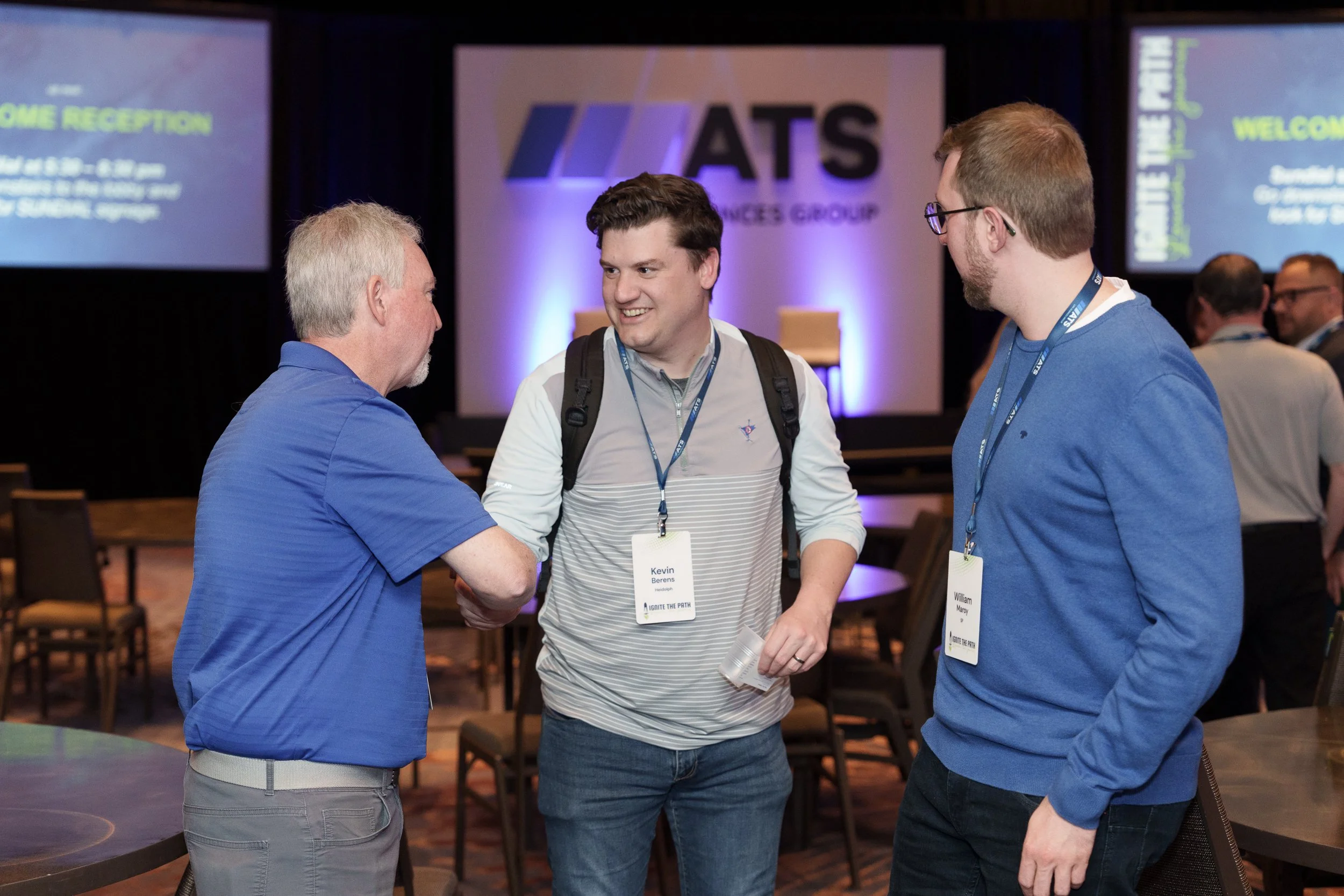
Conference photography presents unique challenges that go far beyond simply showing up with a camera. Unlike studio sessions or smaller events, conferences involve complex logistics: multiple simultaneous sessions, varying lighting conditions across venues, high-profile speakers who need to be captured at precisely the right moments, and hundreds of attendees expecting professional-quality images that represent your brand accurately.
The technical requirements alone can overwhelm even experienced in-house teams. Professional conference photographers bring specialized equipment designed for diverse lighting scenarios, fast-paced environments, and the ability to capture both wide-angle venue shots and intimate networking moments. They understand how to anticipate key moments—a speaker's compelling gesture, an audience member's engaged expression, or the energy of a breakout session—without disrupting the event flow.
Beyond technical skills, conference photography demands an understanding of corporate brand standards and visual storytelling. Your images aren't just documentation; they're marketing assets that will appear on your website, in promotional materials, and across social channels. Generic event snapshots won't support your brand narrative or demonstrate the value of your conference to future attendees and stakeholders. This specialized expertise becomes even more critical when you're managing multi-day events, multiple locations, or concurrent sessions that require coordinated coverage.
Strategic Planning Before Your Event Begins
Successful conference photography starts weeks before your event begins. The planning phase is where you identify bottlenecks, clarify stakeholder expectations, and create a comprehensive shot list that ensures nothing critical gets missed. Begin by mapping out your conference schedule in detail, noting which sessions, speakers, and moments are highest priority for visual coverage. This prevents the common scenario where your team realizes after the fact that an important keynote or sponsor activation wasn't properly documented.
Establish clear communication channels between your event planning team, marketing department, and photography coverage from the start. Create a shared document that outlines must-have shots, brand guidelines for image style and composition, and specific deliverables with deadlines. This alignment prevents last-minute confusion and ensures everyone understands what success looks like. Include details like whether you need images for real-time social media posting, next-day marketing emails, or post-event recap materials, as each use case may require different turnaround times and image specifications.
Conduct a site visit or review detailed venue information well in advance. Understanding the lighting conditions, room layouts, and logistical constraints allows you to plan equipment needs and position photographers strategically. Identify potential challenges like dimly lit ballrooms, stages with harsh backlighting, or crowded networking areas where mobility might be restricted. This preparation eliminates surprises on event day and allows your team to focus on execution rather than problem-solving in real time.
Finally, build in contingency plans for common scenarios: what happens if a keynote speaker runs late, if weather forces an outdoor session inside, or if attendance exceeds expectations? Having backup plans and flexible shot lists helps you adapt without losing critical coverage or overwhelming your coordination team with crisis management.
Partnering With Professional Event Photographers
Selecting the right professional photographer or photography team transforms your conference coverage from a source of stress into a strategic advantage. Look for photographers who specialize in corporate events and conferences specifically—their experience with similar events means they understand the rhythm of keynotes, breakout sessions, and networking periods without requiring extensive hand-holding from your team.
During your selection process, review portfolios carefully for photographers who demonstrate versatility across different lighting conditions and event moments. You want to see evidence that they can capture both the grand scale of a packed ballroom and the intimate details of one-on-one conversations. Ask about their approach to capturing diverse attendees in authentic, engaging ways that reflect the inclusive environment you've worked to create. Professional conference photographers should be comfortable working in fast-paced environments while remaining unobtrusive, allowing your event to flow naturally.
Discuss workflow and delivery expectations upfront to avoid surprises. Professional event photographers should offer clear timelines for different types of deliverables: same-day social media selects, next-day highlights for marketing emails, and full gallery delivery within an agreed timeframe. They should also have systems in place for organizing large volumes of images—tagging by session, speaker, or activity type—which makes it easier for your team to find specific images later for various marketing purposes.
Consider photographers who use professional gallery and delivery systems that streamline the post-event workflow. The ability to organize galleries into folders, send personalized gallery links at scale, and export details for coordination with stakeholders eliminates administrative burden from your team. When photographers have efficient systems for managing and delivering high-volume shoots, you spend less time on tedious follow-up and more time leveraging the visual assets for your marketing goals.
Build a relationship, not just a transaction. When you find a photographer who understands your brand, event style, and communication preferences, maintain that partnership across multiple events. A photographer who has covered your conferences before brings institutional knowledge that improves efficiency with each event—they remember your preferences, understand your stakeholders, and can often anticipate needs before you articulate them.
Streamlining Gallery Delivery and Asset Management
The period immediately following your conference is critical—your marketing team needs images for recap content, your leadership wants to review coverage, sponsors expect photos featuring their presence, and attendees are eager to see and share their experience. A disorganized delivery process creates bottlenecks that diminish the value of even the best photography.
Establish a clear delivery hierarchy that prioritizes images based on business needs. Typically, this means receiving a small set of hero images within hours for immediate social media posting, followed by a curated selection of 50-100 images the next day for marketing emails and initial recaps, and finally the full gallery within a week for comprehensive documentation and future use. This tiered approach gives stakeholders what they need when they need it, rather than overwhelming them with thousands of unorganized images all at once.
Use professional gallery systems that allow for organized, secure delivery with features like password protection, download controls, and the ability to group images by session, day, or theme. When galleries are well-organized from the start, your team spends minutes rather than hours finding the specific images they need for various purposes. Look for systems that allow you to export gallery details as CSV files, making it easy to share organized image lists with event coordinators, sponsors, or other stakeholders who need specific documentation.
Create a centralized asset management approach where all conference images are stored with consistent naming conventions, tags, and metadata. This organization pays dividends months later when you're promoting next year's event and need to quickly locate specific types of images—keynote moments, networking scenes, or venue shots—without sorting through massive untagged folders. Consider how images will be used beyond immediate post-event needs: sales presentations, speaker promotion, venue marketing, and sponsor reports all require easy access to well-organized visual assets.
Automate where possible to reduce manual work. Professional delivery systems can automatically include gallery links, photo previews, passwords, and download instructions in personalized emails, eliminating the tedious task of manually sending and tracking gallery access for different stakeholder groups. This automation prevents mix-ups and ensures consistent, professional communication without adding to your team's workload during the busy post-event period.
Building a Repeatable System for Multi-Event Success
Once you've successfully managed conference photography for one event, the key to reducing long-term strain is codifying what worked into a repeatable system. Document your entire workflow—from initial planning and photographer briefing through delivery and asset management—so that knowledge isn't trapped in one person's head. This documentation becomes invaluable when team members change, when you're managing multiple events simultaneously, or when you need to delegate aspects of event photography coordination.
Create standardized templates for all key documents: shot lists, photographer briefs, stakeholder communication, delivery timelines, and post-event asset organization. These templates reduce decision fatigue and setup time for each new event, allowing your team to focus on event-specific customization rather than reinventing the wheel. Include checklists that ensure nothing gets overlooked, from site visit considerations to final gallery delivery confirmation.
Establish metrics that help you evaluate and improve your photography workflow over time. Track how long various processes take, where bottlenecks consistently appear, stakeholder satisfaction with image quality and delivery timing, and how effectively images support your marketing goals. This data-driven approach helps you identify opportunities for further streamlining and justifies investment in better systems or partnerships when needed.
Build relationships with reliable photography partners who can scale with your needs. Whether you're running quarterly conferences, regional events, or annual flagship gatherings, having trusted photographers who understand your systems and standards reduces coordination overhead with each event. Many professional event photographers can manage multi-location coverage by coordinating teams, providing consistent quality and workflow across all your events without requiring you to manage multiple vendor relationships.
Invest in tools and platforms that support efficient photography management at scale. Professional gallery systems designed for high-volume event photography save significant administrative time through features like bulk client detail uploads via CSV, automated personalized email sending, list views that provide clear overviews of all galleries and details for large projects, and folder organization with flexible password protection. These capabilities transform gallery management from a time-consuming administrative burden into a streamlined, professional process that scales effortlessly as your event program grows.
Finally, schedule post-event retrospectives with your team and photography partners to capture lessons learned while they're fresh. What worked exceptionally well? Where did you encounter unexpected challenges? How could communication or workflow be improved? These insights become the foundation for continuous improvement, ensuring each conference photography experience is more efficient and less stressful than the last. Building this learning loop into your system creates compounding benefits that free your team to focus on strategic event goals rather than logistical firefighting.
Speak to a photo and video production team ready to make your corporate event coverage a seamless process, visit our corporate event page or complete the contact form.