How We Captured a 20,000 Attendee Conference in Las Vegas
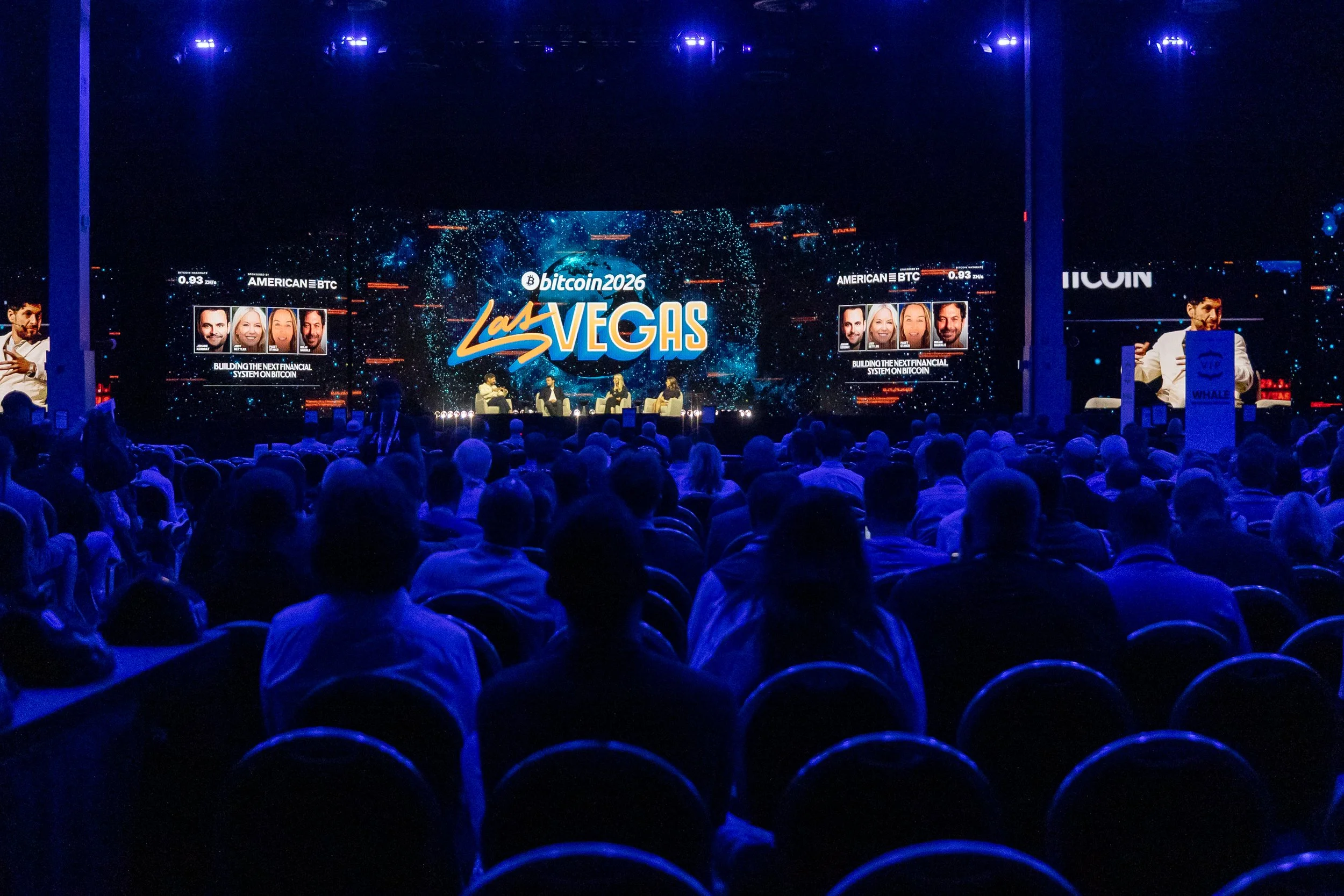
Planning and Logistics for Large-Scale Event Coverage
When we received the call about photographing a 20,000-person conference in Las Vegas, we knew immediately that success would come down to meticulous planning. Large-scale corporate events don't leave room for improvisation—every detail needs to be mapped out weeks in advance. We started by scheduling detailed pre-event consultations with the client's marketing and events team to understand their brand guidelines, key messaging, must-capture moments, and specific deliverables they needed for post-event marketing campaigns.
Our planning phase included comprehensive venue walkarounds—both virtual and in-person when possible. We studied the floor plans of the convention center, identified optimal shooting positions for keynote sessions, mapped out lighting challenges in breakout rooms, and pinpointed high-traffic areas where candid networking shots would naturally occur. We created detailed shot lists organized by day, time, and location, ensuring we'd capture everything from executive headshots to booth activity to evening receptions.
Logistics coordination extended beyond just photography. We established communication protocols with the event production team, obtained necessary credentials and access permissions, coordinated equipment shipping to the venue, and built contingency plans for common issues like equipment failure or schedule changes. We also created a centralized project management system that allowed our team and the client to track progress in real-time throughout the multi-day event. This level of preparation transformed what could have been chaos into a smooth, professional operation.
Building the Right Team for Multi-Day Conference Photography
A single photographer simply cannot cover a conference of this magnitude effectively. We assembled a specialized team of six professional photographers, each selected for their specific strengths and experience with corporate event work. Our team included specialists in keynote and stage photography, candid event coverage, environmental portraits, and detail shots. Every team member understood the importance of brand-consistent imagery and had proven experience working in fast-paced, high-pressure event environments.
Before the conference began, we held multiple team briefings to align everyone on the client's brand guidelines, visual style preferences, and priority shot lists. We established a clear hierarchy and communication structure, designating lead photographers for each venue area and backup coverage for critical moments. Each photographer received a detailed schedule showing exactly where they needed to be and what they needed to capture at every hour of the three-day event. We also created a shared visual reference guide showcasing the types of compositions, lighting styles, and moments that aligned with the client's brand identity.
Team coordination during the event relied on constant communication. We used dedicated communication channels to share real-time updates about schedule changes, VIP movements, and emerging photo opportunities. Our lead coordinator maintained oversight of the entire operation, redistributing resources as needed to ensure complete coverage. This collaborative approach meant that when an unexpected keynote speaker arrived or a breakout session ran over schedule, we could adapt instantly without missing important moments. The result was comprehensive, cohesive coverage that looked like the work of a single vision rather than multiple photographers.
Streamlining Gallery Delivery for Thousands of Images
Capturing the images is only half the challenge—delivering thousands of photos efficiently to various stakeholders represents an equally critical workflow challenge. Over the three-day conference, our team generated more than 12,000 images that needed to be organized, edited, and delivered to different departments, sponsors, and attendees. We implemented a streamlined workflow that began with on-site photo culling each evening, allowing us to identify the strongest images while events were still fresh in our minds.
Our post-production process was designed for both speed and quality. We used consistent color grading and editing presets that aligned with the client's brand colors and visual identity, ensuring that images maintained a cohesive look across all photographers and shooting conditions. We organized galleries by event type, day, session topic, and sponsor activation, making it easy for the marketing team to locate specific content for their various post-event campaigns. For high-priority images—like those featuring C-suite executives or major announcements—we provided same-day editing and delivery.
Gallery delivery was managed through a professional photography platform that allowed us to create multiple customized galleries with different access permissions. We provided the main marketing team with a master gallery containing all approved images, created sponsor-specific galleries featuring their booth and activation coverage, and generated individual galleries for keynote speakers and award recipients. Each gallery included personalized access credentials and clear download instructions. This organized approach meant stakeholders received exactly what they needed without having to sort through thousands of irrelevant images, and it positioned us as efficient, client-focused professionals who understand the demands of corporate event marketing.
Capturing Brand-Consistent Imagery Across Multiple Venues
One of the most challenging aspects of large conference coverage is maintaining visual consistency when shooting across multiple venues with vastly different lighting conditions, architectural styles, and spatial constraints. The Las Vegas conference spanned the main convention hall, five breakout rooms, an outdoor networking terrace, hotel meeting spaces, and an off-site evening venue. Each location presented unique technical challenges, yet the final image collection needed to feel unified and aligned with the client's sophisticated, professional brand identity.
We achieved this consistency through several strategic approaches. First, we established clear guidelines for composition and framing that emphasized clean backgrounds, balanced compositions, and intentional use of the client's branded elements visible throughout the venue. We paid careful attention to how brand colors appeared in different lighting conditions, adjusting our white balance and exposure to ensure logos, signage, and branded materials photographed accurately. Our team also maintained consistent depth-of-field choices and focal length preferences that created a signature look across all images.
Lighting was perhaps our biggest technical challenge and our greatest tool for creating consistency. We used portable lighting equipment to supplement ambient light in dimly-lit breakout rooms, ensuring that attendee faces were well-lit and flattering regardless of venue. For the main stage, we coordinated with the production team to understand their lighting design, positioning ourselves to work with—rather than against—their dramatic lighting moments. We also captured test shots in each venue before events began, allowing us to dial in our settings and ensure color consistency across locations. The result was a cohesive image collection that showcased the event's scale and energy while maintaining the polished, professional aesthetic that reinforced the client's brand position.
Lessons Learned from Covering a 20,000 Person Event
Every large-scale event teaches you something new, and this conference was no exception. One of our most valuable lessons was the critical importance of over-communication with all stakeholders. Event schedules change constantly, VIPs arrive unexpectedly, and last-minute additions to the agenda are inevitable. We learned to establish multiple communication channels—not just with our primary client contact, but with the production team, venue coordinators, and even security staff who often had early information about schedule changes. This network of communication allowed us to stay ahead of changes rather than scrambling to catch up.
We also learned the value of building buffer time into our workflow. With such a high volume of images and tight deadlines for certain deliverables, equipment issues or unexpected delays could have derailed the entire operation. By building extra time into our editing schedule and maintaining backup equipment for every critical piece of gear, we created resilience in our workflow. When one photographer's camera body failed on day two, we had a backup ready within minutes. When a priority gallery needed to be delivered three hours earlier than planned, our buffer time allowed us to accommodate the request without compromising quality.
Perhaps most importantly, we learned that success at this scale requires a team that's not just technically skilled, but also adaptable, professional under pressure, and genuinely collaborative. The photographers who thrived in this environment were those who could pivot quickly when plans changed, maintain composure during chaotic moments, and support their teammates when coverage demands shifted. This experience reinforced our commitment to working with experienced corporate event photographers who understand that professionalism, reliability, and brand alignment matter just as much as technical camera skills. For event planners considering photography coverage for large conferences, these qualities should be non-negotiable—because when you're managing 20,000 attendees, you need a photography partner you can trust completely.
Interested in exploring our services? Visit our pricing page or complete the contact form.